SHRI SHIVAJI SCIENCE COLLEGE, AMRAVATI
DBT STAR COLLEGE PROJECT ACTIVITY
ACTIVITY REPORT
Sensor Based Monitoring of Indoor Air Pollution in Residential Houses of Amravati
Activity Dates: 1st March to 31 st March 2026
Type of Activity: Minor Research Project
Organizing Department: Department of Environmental Science
Program Coordinators: Dr. K. J. Gawai
Head of the Department: Dr.Sangita Ingole
External Collaborator (if any): No
Objectives:
- To assess indoor air quality in selected residential houses using sensor-based monitoring.
- To monitor VOCs, CO₂, CO, PM₁₀, temperature, humidity, and microbial pollutants.
- To study the effect of ventilation and indoor activities on pollutant levels.
- To evaluate possible health impacts associated with indoor air pollution.
- --
No of Beneficieries: 2
Classes Involved: B.Sc.III
Venue of the Activity: Selected houses of Amravati city
Activity Report:
MRP Title - Sensor Based Monitoring of Indoor Air Pollution in Residential Houses of Amravati
Chapter 1
INTRODUCTION
Indoor air quality (IAQ) is an important factor affecting environmental sustainability and human health. Although outdoor air pollution receives greater attention, indoor air pollution has emerged as a major public health concern because people spend most of their time indoors (Cincinelli and Martellini, 2017; Ite and Ite, 2024; Chopra et al., 2024; Tran et al., 2020). According to the World Health Organization (WHO, 2023), indoor air pollution contributes to millions of premature deaths worldwide.
Poor IAQ is associated with respiratory diseases, asthma, cardiovascular disorders, fatigue, reduced concentration, and Sick Building Syndrome (Nie et al., 2025; Maung et al., 2022). Indoor pollutants accumulate due to poor ventilation and activities such as cooking, cleaning, smoking, and use of household products (Kotzias, 2021; Tran et al., 2020).
Indoor pollutants are classified as:
• Chemical: VOCs, CO₂, CO, formaldehyde (Tran et al., 2020; Horvat et al., 2025)
• Physical: Particulate matter and radiation (Oladele et al., 2018; Nie et al., 2025)
• Biological: Bacteria, fungi, and mold spores (Chawla et al., 2023; Viani et al., 2020)
Major pollution sources include combustion appliances, building materials, cleaning products, human activities, pets, and outdoor pollutant infiltration. Indoor radiation may arise from radon and naturally occurring radioactive materials in buildings (Oladele et al., 2018).
Recent advances in low-cost sensors enable real-time monitoring of indoor pollutants and ventilation performance (Ródenas García et al., 2022; Wang et al., 2025).
Aims and Objectives:
To assess indoor air quality in selected residential houses using sensor-based monitoring.
To monitor VOCs, CO₂, CO, PM₁₀, temperature, humidity, and microbial pollutants.
To study the effect of ventilation and indoor activities on pollutant levels.
To evaluate possible health impacts associated with indoor air pollution.
Chapter 2
REVIEW OF LITERATURE
Several studies have highlighted the importance of indoor air quality and sensor-based monitoring.
Shri Pal and Debnath (2025) reported that poor ventilation and indoor activities increase CO₂ and VOC concentrations, leading to respiratory problems and reduced productivity.
Nalini et al. (2025) found strong links between VOC exposure and chronic respiratory disease mortality. Adamopoulos et al. (2025) reported that PM, VOCs, CO₂, and microbial contaminants adversely affect health and performance.
Sensor-based monitoring systems have been successfully developed by Wang et al. (2025), Afrial et al. (2025), John et al. (2023), Shamila and Unni (2022), Kumar Sai et al. (2019), and Moreno-Rangel et al. (2018), demonstrating the effectiveness of low-cost IoT technologies for real-time IAQ monitoring.
Studies by Horvat et al. (2025), Chopra et al. (2024), Ite and Ite (2024), Tran et al. (2020), and Cincinelli and Martellini (2017) identified VOCs, particulate matter, CO, CO₂, and biological contaminants as major indoor pollutants associated with respiratory and cardiovascular diseases.
Microbial contamination studies by Chawla et al. (2023) and Viani et al. (2020) reported that indoor bacteria and fungi contribute to allergies, infections, and Sick Building Syndrome.
Research by Borodinecs et al. (2022) emphasized CO₂ as a reliable indicator of ventilation efficiency, while Salthammer (2024) highlighted the importance of continuous CO monitoring.
Oladele et al. (2018) and Parthiban et al. (2023) demonstrated the significance of monitoring indoor radiation exposure.
Studies by Mukkannawar et al. (2014) and Kankaria et al. (2014) reported higher particulate matter and CO levels in biomass-fuel households, increasing respiratory health risks.
Overall, previous studies indicate that indoor air quality is strongly influenced by ventilation, fuel type, occupancy, building characteristics, and surrounding environmental conditions, while sensor technologies provide effective tools for continuous monitoring.
Chapter 3
MATERIALS AND METHODS
Study Area
The study was conducted in eight residential houses located in different environmental zones of Amravati.
Sampling Locations
• Near Industrial area
• Near Bus stand / railway station area
• Near Hospital area
• Near Green park area
• Near Waste dumping area
• Near Agricultural area
• Near High-rise residential area
• Near Heavy traffic road area
Monitoring was carried out in:
• Living room
• Bedroom
• Kitchen
Sensors were placed at breathing height (1–1.5 m) away from doors and windows.
Parameters Monitored
• Carbon dioxide (CO₂)
• Carbon monoxide (CO)
• Total Volatile Organic Compounds (TVOCs)
• PM₁₀
• Temperature
• Relative humidity
• Microbial pollutants
Instruments Used
Sensor Parameter
NDIR Sensor CO₂
MQ-7 CO
MQ-135 VOCs
DHT11 Temperature & Humidity
A fabricated multi-sensor indoor air quality monitoring system with real-time display was used.
Monitoring Schedule
Observations were recorded during:
• Morning (08:30 AM)
• Afternoon (01:30 PM)
• Evening (06:30 PM)
Microbial Sampling
Microbial contamination was assessed using the passive settle plate method.
Materials Used:
• Sterile Petri plates
• Nutrient Agar (NA)
• Potato Dextrose Agar (PDA)
• Incubator
• Autoclave
Sampling Procedure:
Petri plates were exposed for 15–30 minutes at breathing height and incubated for bacterial and fungal growth. Colonies formed were counted as Colony Forming Units (CFU/plate).
Chapter 4
OBSERVATIONS AND RESULTS
The study evaluated indoor air quality using gaseous pollutants, particulate matter, comfort parameters, microbial load, and questionnaire surveys.
Gaseous Pollutants
CO₂ concentrations ranged between 420–750 ppm. Higher values were observed in poorly ventilated and highly occupied houses.
CO concentrations ranged from 0.8–2.0 ppm, mainly due to cooking and combustion activities.
TVOCs ranged from 90–160 µg/m³, with higher levels near traffic areas, fuel stations, and waste-influenced locations.
Particulate Matter and Comfort Parameters
PM₁₀ concentrations ranged between 70–130 µg/m³.
Temperature varied from 28–30°C, while humidity ranged from 40–60%.
Higher humidity levels favored microbial growth in some locations.
Microbial Analysis
Microbial counts varied considerably among locations.
Higher bacterial and fungal loads were observed in:
• Waste-influenced areas
• Agricultural zones
• Houses with moisture and biomass use
Lower counts were recorded in clean and well-ventilated houses.
Questionnaire Analysis
Major factors affecting IAQ included:
• Ventilation conditions
• Cooking fuel type
• Use of mosquito coils and chemicals
• Occupancy level
• Building age
• Nearby traffic and waste sources
Houses using biomass fuels and having poor ventilation showed higher pollutant levels.
Correlation of Parameters
Positive relationships were observed between:
• CO₂ and TVOCs (poor ventilation)
• Humidity and microbial growth
• PM₁₀ and CO (combustion and traffic sources)
Major Findings
• Significant variation in IAQ was observed among locations.
• Traffic, waste disposal, fuel use, and ventilation strongly influenced pollutant levels.
• Poorly ventilated houses exhibited higher concentrations of gaseous pollutants and microbial contamination.
Chapter 5
DISCUSSION, CONCLUSION AND RECOMMENDATIONS
The study successfully assessed indoor air quality in selected residential houses of Amravati using sensor-based monitoring techniques.
Results showed that concentrations of CO₂, CO, TVOCs, PM₁₀, temperature, humidity, and microbial pollutants varied across locations depending on ventilation, occupancy, fuel use, and surrounding environmental conditions.
Higher gaseous pollutant levels were observed in poorly ventilated houses and during cooking activities. PM₁₀ concentrations were influenced by both indoor activities and outdoor pollution sources such as traffic, waste disposal, and agricultural operations.
Humidity played an important role in microbial growth. Houses with moisture problems, traditional construction materials, and poor ventilation exhibited higher bacterial and fungal contamination.
Environmental zonation demonstrated that outdoor surroundings significantly affect indoor air quality. Traffic-dominated, waste-influenced, and agricultural areas showed relatively higher pollutant levels than cleaner residential zones.
Questionnaire analysis confirmed that ventilation, fuel type, building structure, and occupant behavior are major determinants of indoor air quality.
Conclusion
The study concludes that indoor air quality in residential houses is strongly influenced by ventilation conditions, indoor activities, fuel usage, occupancy, and surrounding environmental factors. Sensor-based monitoring proved to be an effective, economical, and reliable approach for real-time assessment of indoor air pollution. Improving ventilation, reducing pollution sources, and adopting cleaner household practices can significantly enhance indoor environmental quality and human health.
Recommendations
1. Improve natural and mechanical ventilation.
2. Promote use of clean fuels such as LPG and electricity.
3. Reduce use of mosquito coils, incense sticks, and chemical cleaners.
4. Encourage ventilation-friendly building designs.
5. Conduct awareness programs on indoor air pollution.
6. Promote regular monitoring and future studies on PM₂.₅, formaldehyde, and other pollutants.
Outcomes of the MRP
After completing the MRP, students will be able to:
Understand indoor air pollution and its health impacts.
Experience environmental data collection and analysis.
Get knowledge of microbial monitoring techniques.
Understand the role of ventilation and household activities in IAQ.
Develop research, analytical, and report-writing skills.
REFERENCES
Adamopoulos, A., Georgiou, M., & Papadopoulos, K. (2025). Indoor air quality in educational institutions and associated health impacts: A review. Environmental Monitoring and Assessment, 197(2), 145–160.
Afrial, M., Rahman, S., & Yusuf, A. (2025). Development of an IoT-based indoor air quality monitoring and purification system using multi-sensor integration. International Journal of Environmental Science and Technology, 22(1), 455–468.
Borodinecs, A., Zemitis, J., & Kreslins, A. (2022). Indoor CO₂ sensors and their role in ventilation assessment: A review. Building and Environment, 216, 108984.
Chawla, R., Sharma, P., & Singh, N. (2023). Microbial contamination in indoor environments and its health implications: A review. Journal of Environmental Health Science and Engineering, 21(3), 567–580.
Chopra, D., Verma, S., & Mehta, R. (2024). Health effects of indoor air pollutants and mitigation strategies: A review. Environmental Research Communications, 6(4), 041002.
Cincinelli, A., & Martellini, T. (2017). Indoor air quality and health. International Journal of Environmental Research and Public Health, 14(11), 1286.
Harada, K., Hara, K., Wei, C. N., Minamoto, K., Ueda, A., & Hitomi, T. (2010). Case study of sick building syndrome in indoor environments. Environmental Health and Preventive Medicine, 15(5), 295–302.
Horvat, M., Kovač, J., & Petrović, D. (2025). Volatile organic compounds in indoor environments: Sources, health effects, and monitoring approaches. Atmospheric Pollution Research, 16(2), 101245.
Ite, A. E., & Ite, M. U. (2024). Indoor air pollution: Sources, exposure, health effects, and control measures. Environmental Advances, 14, 100456.
John, P., Mathew, J., & Francis, A. (2023). Smart indoor air quality monitoring system using Arduino and IoT platform. International Journal of Scientific Research in Engineering and Management, 7(5), 1–8.
Kankaria, A., Nongkynrih, B., & Gupta, S. K. (2014). Indoor air pollution in India: Implications on health and its control. Indian Journal of Community Medicine, 39(4), 203–207.
Kotzias, D. (2021). Indoor exposure to volatile organic compounds and health concerns in modern buildings. Chemosphere, 268, 128823.
Kumar Sai, P., Ramesh, T., & Kumar, V. (2019). IoT-based air quality monitoring system using MQ135 and MQ7 sensors. International Journal of Innovative Technology and Exploring Engineering, 8(6), 1450–1454.
Maung, T. Z., Bishop, J. E., Holt, E., Turner, A. M., & Pfrang, C. (2022). Indoor air pollution and the health of vulnerable populations: A systematic review. Environmental Research, 203, 111743.
Mentese, S., & Tasdibi, D. (2017). Long-term indoor exposure to VOCs and carbon dioxide in urban and rural residential environments. Indoor and Built Environment, 26(8), 1135–1147.
Moreno-Rangel, A., Sharpe, T., Musau, F., & McGill, G. (2018). Field evaluation of a low-cost indoor air quality monitoring device for temperature, humidity, carbon dioxide and particulate matter. Sensors, 18(12), 4387.
Mukkannawar, U. J., Zodpey, S. P., & Vasudeo, N. D. (2014). Indoor air pollution in rural households using biomass fuel and associated respiratory risks. Indian Journal of Occupational and Environmental Medicine, 18(1), 12–17.
Nalini, S., Devi, P., & Kumar, R. (2025). Volatile organic compound exposure and chronic respiratory disease mortality: Biomonitoring approach. Environmental Toxicology and Pharmacology, 105, 104329.
Nie, Y., Zhao, H., & Liu, Q. (2025). Physiological effects of indoor air pollution on human health: A review. Science of the Total Environment, 934, 173245.
Oladele, O. A., Arogunjo, A. M., & Ojo, J. O. (2018). Indoor and outdoor gamma radiation exposure levels in residential buildings and associated health risks. Radiation Protection Dosimetry, 182(3), 392–399.
Parthiban, S., Rajkumar, P., & Kannan, R. (2023). IoT-based radiation monitoring system using Geiger–Müller counter and ESP32. International Journal of Advanced Computer Science and Applications, 14(7), 256–263.
Ródenas García, M., Pérez, J., & Sánchez, A. (2022). Low-cost sensor technologies for real-time indoor air quality monitoring: Applications and challenges. Sensors and Actuators B: Chemical, 368, 132140.
Outcomes:
- Understand indoor air pollution and its health impacts.
- Experience environmental data collection and analysis.
- Get knowledge of microbial monitoring techniques.
- Understand the role of ventilation and household activities in IAQ.
- Develop research, analytical, and report-writing skills.
Photos:
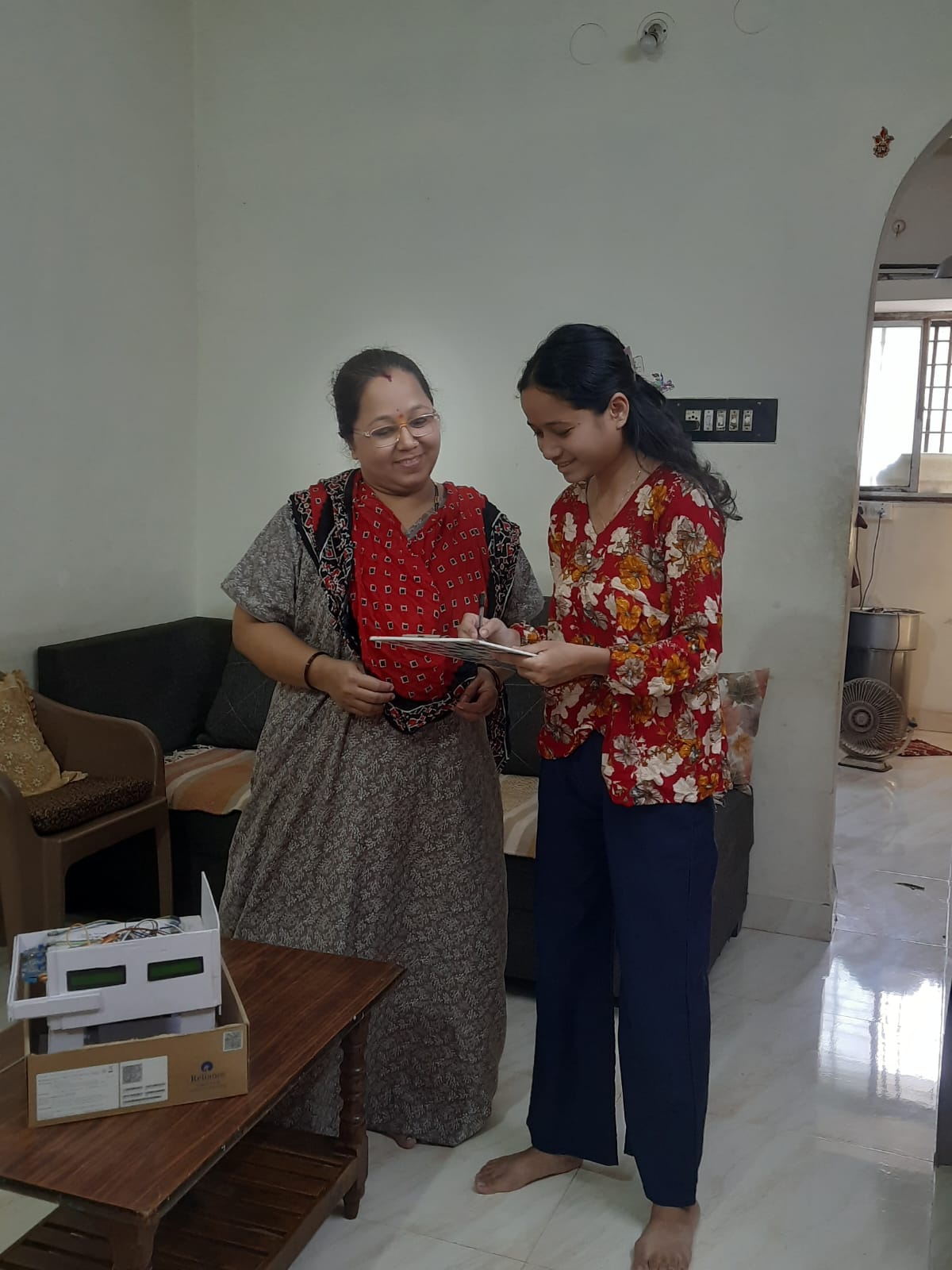 Interaction with Resident for Questionnaire-Based Indoor Air Quality Assessment | 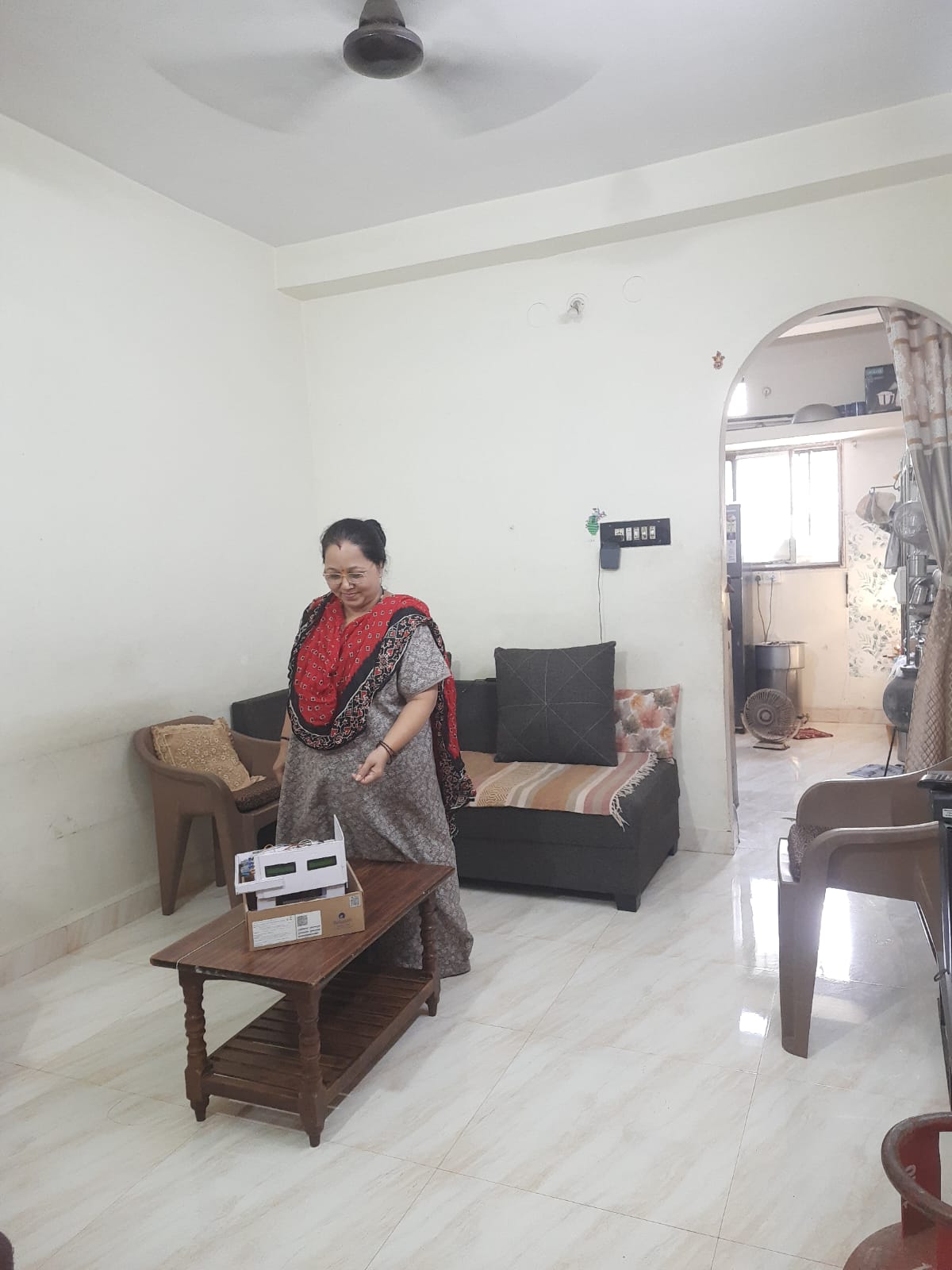 Living Room Air Quality Measurement |
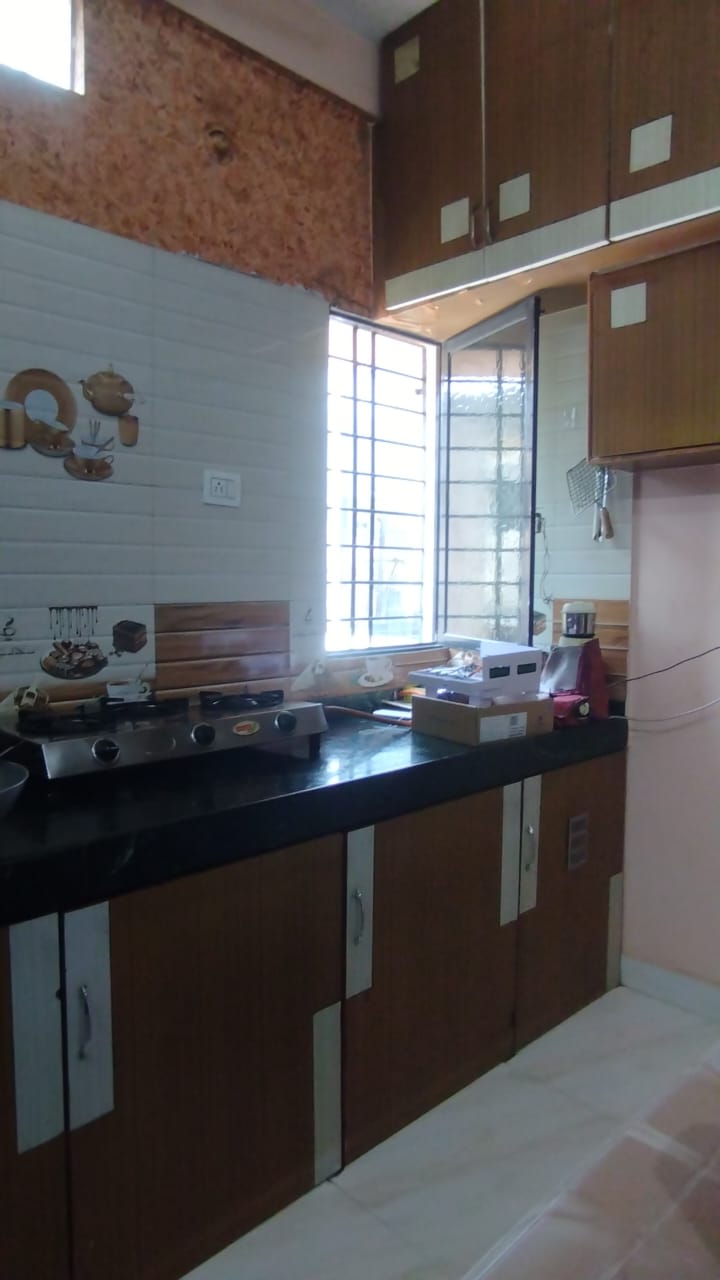 Sampling in kitchen area | 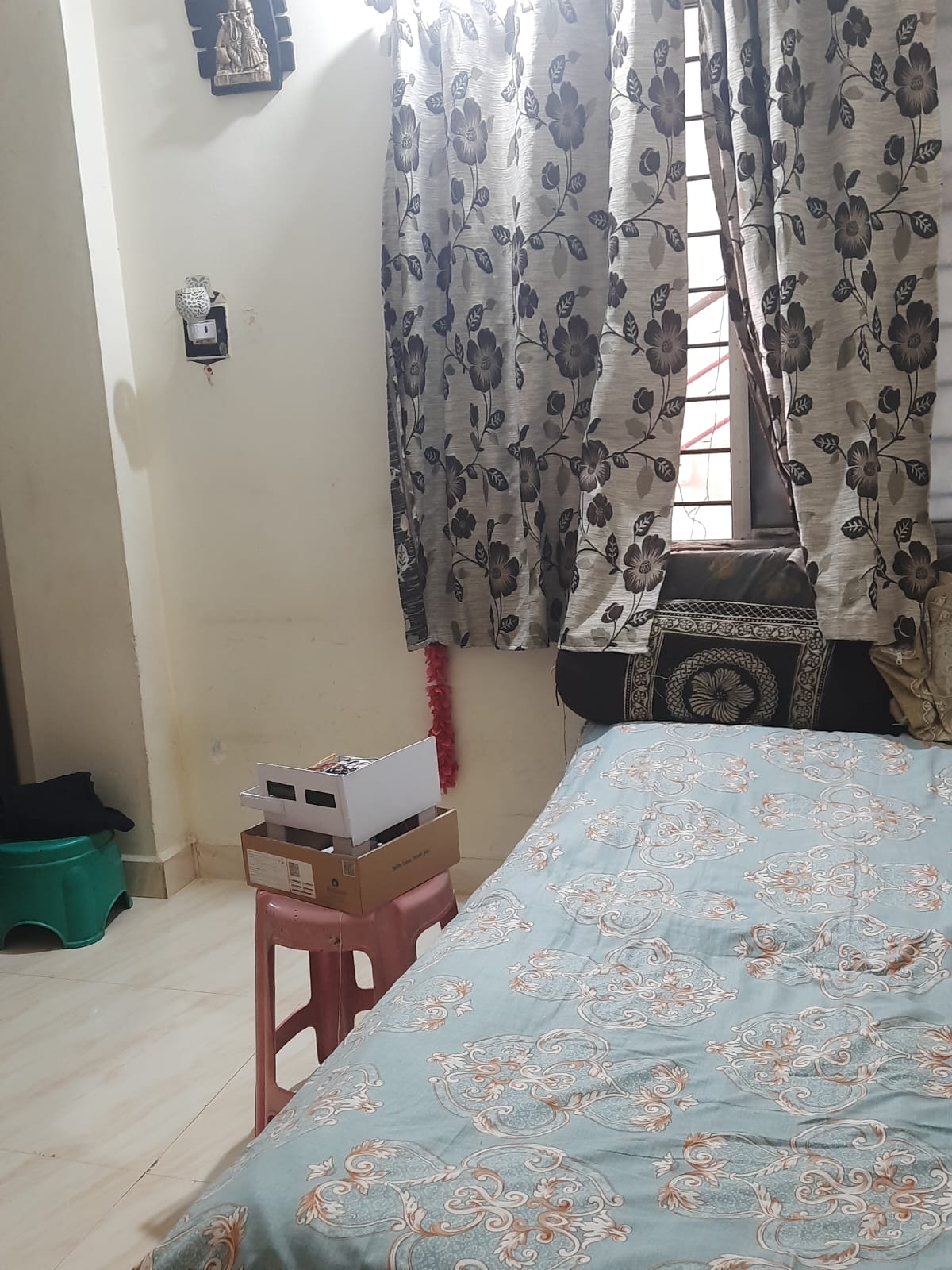 Sampling in Bedroom |
 Blank |  Blank |
Attendance Sheet:
 |